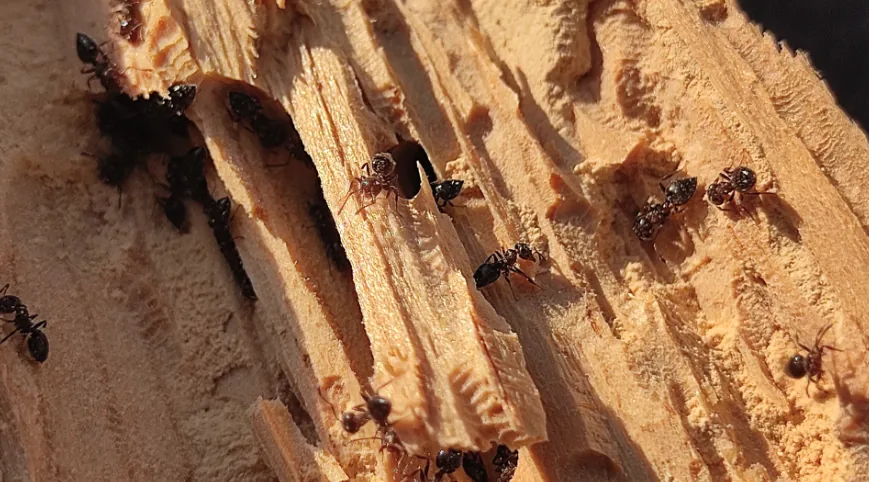
Uninvited Guests
You wake up in a cold sweat, listening to the scuttling in the walls. Or worse still, you spot something running across your kitchen floor when you turn on the light.
Finding an unwelcome guest in your home is never a pleasant experience, but discovering a full-blown infestation can also be a financial nightmare.
Whether it’s the scratching of rodents in the attic or the silent, but very destructive, damage of termites in the walls, in this article, we’re looking at the infestations that cause the most damage, how to prevent them, and what (if anything) home insurance actually covers.
Which Homes Are Most Susceptible?
No home is truly "pest-proof," but certain factors increase your risk:
- Older Homes: These often have more gaps, settling cracks and aging wood that is easier for pests to penetrate.
- Multifamily Dwellings: In apartments or condos, pests like bed bugs and cockroaches can easily travel through shared walls, plumbing and wiring.
- Wood-Heavy Structures: Homes with wood-to-ground contact (like decks or porches without a concrete base) are prime targets for termites.
- Moisture-Rich Environments: Homes with poor drainage, leaky gutters or humid basements attract wood-boring insects and cockroaches.
- Homes with Damaged Siding: If you have holes in your house, especially into your attic, you’re offering an open invitation to nesting critters.
What Does Home Insurance Cover?
Home insurance can be a great source of peace of mind, but it’s important to understand what’s covered and what’s not when it comes to infestations. So what’s covered? The short answer for most homeowners is: not much.
Standard home insurance policies are designed to cover sudden and accidental events, such as fires, lightning strikes, or windstorms. Because infestations are typically viewed as a "maintenance issue" that develops over time, insurance companies generally consider them preventable through routine care.
-
Excluded: Extermination costs, removal of nests and repairs to damage caused directly by the pests (like chewed drywall or ruined insulation).
-
The "Hidden Collapse" Exception: Some policies offer coverage if an infestation remains entirely hidden and eventually causes a structural collapse of the home. However, you must prove you had no prior knowledge of the activity.
-
The "Covered Peril" Loophole: While the infestation itself isn't covered, the secondary damage it causes might be. For example:
-
If a rat chews through a wire and causes a fire, the fire damage is usually covered. (Note: Rodents are thought to be behind 20 - 25% of house fires with undetermined origins.)[2
-
If a rodent chews a pipe and causes a sudden flood, the water damage may be covered.
What You Can Do to Protect Your Home
Since insurance rarely pays for infestations, prevention is your best financial defense.
1. Seal the Perimeter
Mice can fit through a hole the size of a dime. Use steel wool and caulk to seal gaps around pipes, vents and utility entries. Ensure window screens are intact and install door sweeps. Repair any holes that are chewed immediately.
2. Manage Moisture
Keep gutters clean and ensure downspouts direct water at least five feet away from the foundation. Fix leaky faucets or pipes immediately, as moisture is the primary draw for termites and roaches.
3. Clear the Yard
Store firewood at least 20 feet away from the house and keep it off the ground. Trim tree branches so they don't touch the roof, as these act as "highways" for squirrels and raccoons.
4. Exterminate Thoughtfully
It’s usually best to go with professionals for larger infestations. Ask questions about the poisons being used and how they will affect other occupants of the home. Humane traps are sometimes an option for moving and relocating rodents. The last thing you want is something dying in your attic or inside your walls.
5. Document Everything
If you find damage, take photos and videos immediately. Contact a professional exterminator to identify the species and the extent of the damage. Even if you don't think it's covered, keep these records in case the infestation leads to a covered peril (like a fire) later.
Wrapping Up
For many homeowners, your home is your sanctuary from the world...and also your most valuable asset. Don't let it lose its value and become a less safe and hygienic place to live.
Home insurance often won't help you in cases of infestations. That's why home maintenance and keeping a watchful eye out for small problems before they become big ones is key.