The Fine Print on Fine Tints
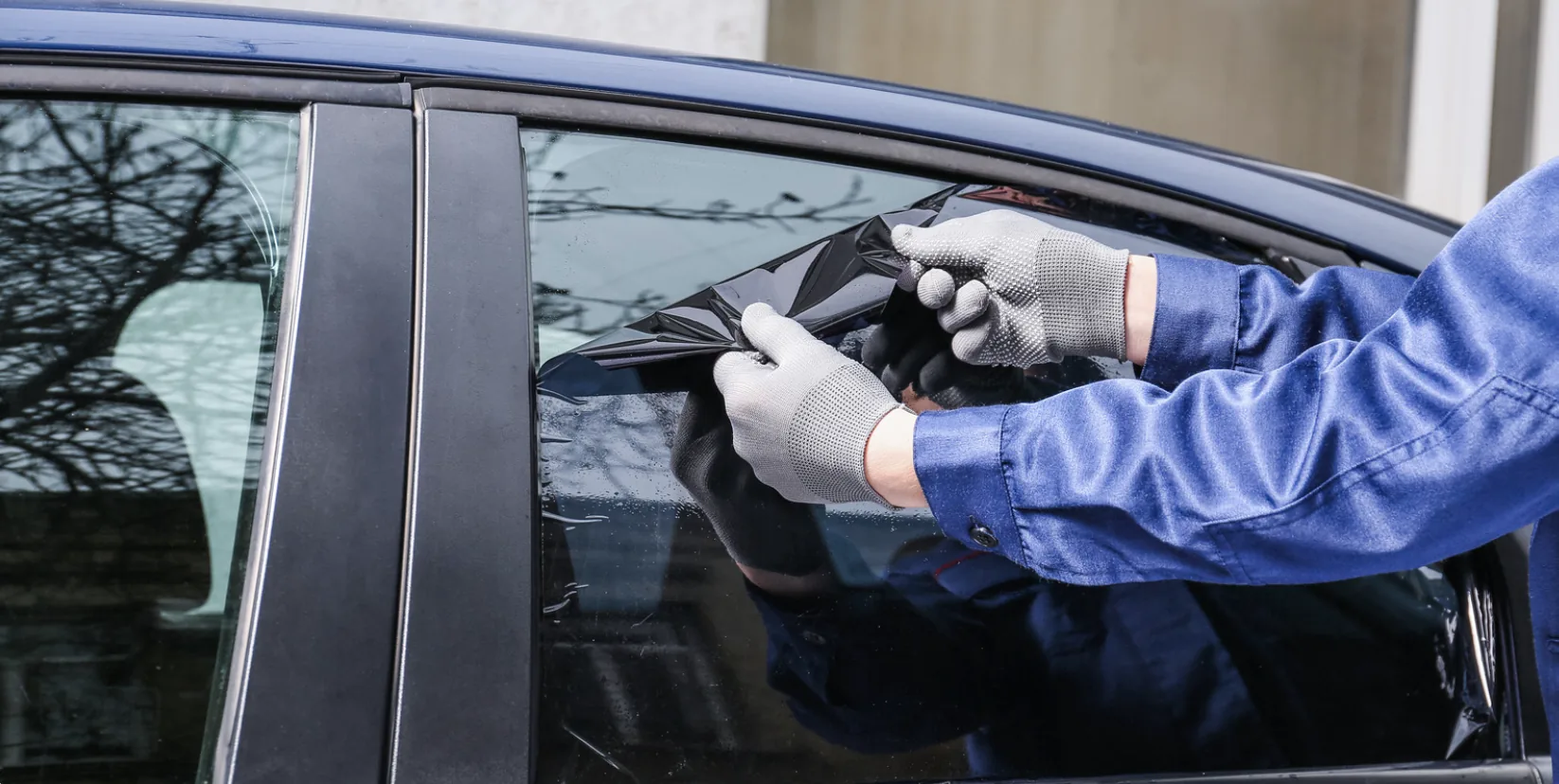
In the summertime, when the relentless sun turns your car into a sauna, the idea of reducing the greenhouse effect with a little shade can be tempting. And of course, darker windows mean more privacy and make it easier to hide things in your car from would-be thieves. It's no wonder that window tinting has become one of the most popular aftermarket vehicle modifications in the country. In fact, it's an $8.6 billion industry, expected to reach $17 billion by 2035.[1]
However, before you add that film, make sure you know your state laws. Window tinting is one of the most heavily regulated automotive modifications. What is perfectly legal in one state can easily get you hit with a costly ticket in another.
In this article, we're covering window tint laws by state, as well as some of the insurance implications of darkening your windows.
The Pros and Cons of Window Tinting
Why People Choose Dark Tint
- Heat & UV Rejection: High-quality tints can block up to 99% of harmful ultraviolet (UV) rays, protecting your skin and keeping your car’s interior significantly cooler.[2]
- Privacy and Security: Darker windows keep expensive items left in the backseat or trunk area hidden from the eyes of opportunistic thieves.
- Aesthetics: Many drivers simply prefer the uniform, sleek look that a darker window profile provides.
The Dangers of Overly Dark Windows
- Night Blindness: At night, looking through a 5% or 15% VLT front window is equivalent to driving while wearing dark sunglasses.[3] This can limit your ability to spot hazards, debris, or pedestrians.
- Emergency Situations: Let's say you get in an accident and you or your passengers are trapped. Heavily tinted glass can be more difficult for emergency responders to shatter quickly to pull occupants out.
Which States Have the Strictest Laws?
The strictest window tinting laws in the nation are found in the Northeast and parts of the West Coast.
New Hampshire, New Jersey, and Vermont are among the strictest states in the country. These states completely ban aftermarket tint on the front side windows (0% modification allowed, meaning 100% factory-clear glass).
By comparison, California, New York, Pennsylvania, Delaware, Rhode Island, and Iowa strictly mandate a 70% VLT minimum for front-side windows, allowing only the lightest, virtually invisible ceramic films.
On the other end of the spectrum, Texas, Florida, and Louisiana (which recently lowered its VLT requirement to 25%) are much more lenient. These states allow front windows to drop down into the 25% to 28% VLT range to combat intense regional heat.
State-by-State Window Tint Law Reference
Below is the minimum legal VLT percentage for standard passenger vehicles (sedans/coupes) in all 50 states and Washington, DC.
Note: Windshield rules typically refer to a non-reflective tint strip allowed only at the top few inches of the glass, usually down to the manufacturer's AS-1 line. The AS-1 line is a small, manufacturer-mandated marking located near the top of a vehicle's windshield, usually etched into the glass near the corners.
Wrapping Up
Darkening your windows can have its advantages, but make sure you do it within the limits of the laws in your state. Be aware of the ways it may impact your ability to see, especially if you drive frequently at night. And of course, before making any expensive modifications to your vehicle, give your insurance company a heads up